Some days feel like a sprint that never ends. Shoes go missing, breakfast gets cold, and the school call comes before lunch. If this sounds familiar, you are not alone. ADHD is a real, brain-based condition that many kids in foster or adoptive homes live with, and it can affect every routine.
This guide uses simple language, real-life examples, and step-by-step tips. You will learn what ADHD is, what symptoms look like at home and school, how doctors diagnose it, and which treatments actually help. You will also find school support ideas and everyday strategies that fit busy homes.
ADHD does not mean your child is broken. It means their brain works differently. Together, we can build plans around that difference and notice what is strong in your child.
ADHD explained in plain language (Attention Deficit Hyperactivity Disorder)
ADHD affects attention, impulse control, and activity level. Kids may get distracted fast, act before they think, or move and talk more than peers. ADHD often shows up in the early school years, though signs can appear in preschool.
It is common and treatable. ADHD is not caused by bad parenting, too much sugar, or vaccines. You did not cause this. Trauma can look like ADHD, and both can be present, which is why a full, careful evaluation matters.
For a quick overview of signs, the CDC lists common symptoms such as frequent daydreaming, losing things, fidgeting, and taking risks. You can read their clear summary of symptoms of ADHD.
What ADHD looks like day to day
At home and school, patterns repeat. Look for signs in more than one setting, and check if they cause problems with schoolwork, routines, or friendships.
- Inattention: Often loses track of instructions, misplaces items, skips steps in chores, forgets to turn in work.
- Hyperactivity: Leaves seat a lot, taps or fidgets, climbs or runs at the wrong time, talks over others.
- Impulsivity: Blurts answers, grabs toys, rushes into the street, struggles to wait turn.

Examples help:
- At home: A child starts to brush teeth, then wanders off to pet the dog. The sink keeps running.
- At school: A student finishes two questions fast, then stares out the window and forgets to complete the page.
- In public: A child darts ahead in the parking lot, then says, “I forgot,” when reminded.
To learn more about fostering or need support, join me on Facebook!
Myths and facts families should know
- Myth: ADHD is not real.
Fact: ADHD is a brain-based condition with strong research behind it. - Myth: Sugar or screens cause ADHD.
Fact: Sugar or screens do not cause ADHD. They can make focus worse for some kids, but they are not the cause. - Myth: It only affects boys.
Fact: Girls may be more inattentive, quieter, and easier to miss. - Myth: ADHD means bad behavior.
Fact: Many kids with ADHD have strengths like creativity, humor, and high energy. - Myth: ADHD stands alone.
Fact: ADHD often occurs with learning differences or mood challenges.
A clear, parent-friendly resource that explains ADHD as a brain-based condition is this overview from Johns Hopkins: ADHD in Children.
ADHD types and how each one shows up
Here are the main types and common patterns you might see.
| ADHD Type | In Class Snapshot | At Home Snapshot |
|---|---|---|
| Inattentive | Quiet, daydreams, loses track of work, misses details | Forgets chores, misplaces items, starts but does not finish |
| Hyperactive-Impulsive | Leaves seat, calls out, rushes work | Talks a lot, climbs on furniture, trouble waiting |
| Combined | A mix of both inattentive and hyperactive-impulsive signs | A mix of both at home and during routines |
Girls may show more inattentive signs like quiet daydreaming. Watch for the child who seems “compliant,” yet misses key instructions or loses work often.
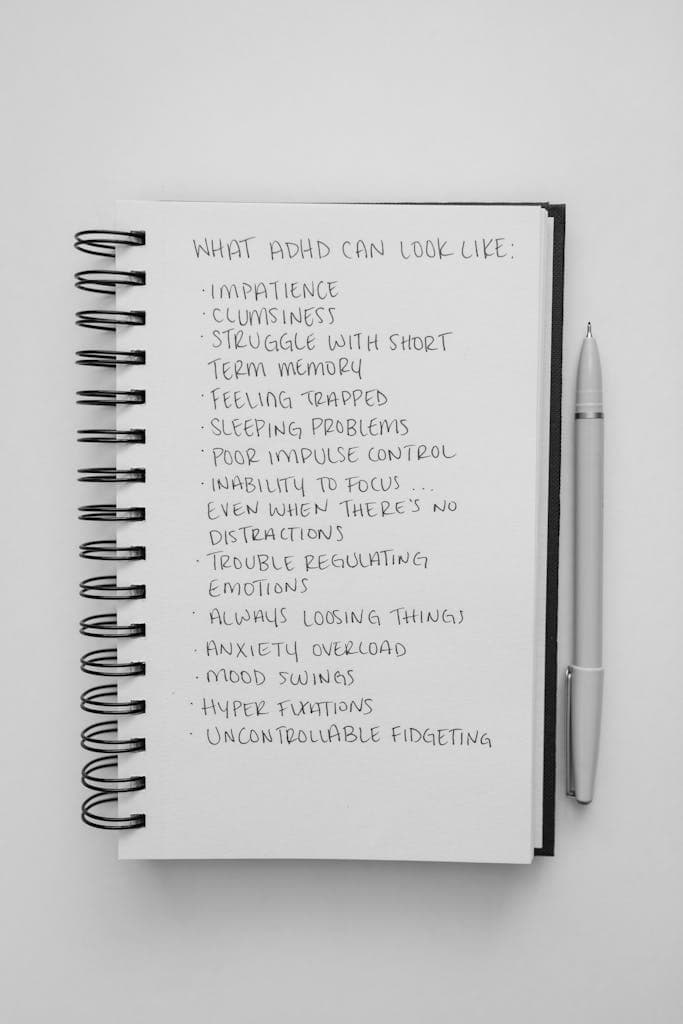
Symptoms, causes, and how doctors diagnose ADHD in children
ADHD symptoms include problems with attention, impulse control, and activity level. The signs must be present in more than one setting, start before age 12, and cause real problems in daily life.
Causes are not simple. ADHD runs in families and involves brain circuits that manage attention and control. Risks can include prematurity, prenatal nicotine or alcohol exposure, head injury, or rare lead exposure. Sugar, food dyes, and vaccines are not proven causes. For cause basics, see the American Academy of Pediatrics’ parent site: Causes of ADHD: What We Know Today. For a clinical overview of symptoms and causes, Mayo Clinic offers a clear summary: ADHD in children: symptoms and causes.
Diagnosis is a process, not a single test. Doctors use history, rating scales, and input from caregivers and teachers. They also rule out or address other concerns that can affect attention, like sleep problems, hearing or vision issues, trauma, anxiety, or learning differences. A well-rounded assessment leads to a better plan. For a more detailed look at diagnosis and treatment approaches, this clinical review is helpful: Diagnosis and Treatment of ADHD in the Pediatric Population.
Common symptoms by age and setting
- Early childhood: Always “on the go,” climbs a lot, hard time with quiet play, very short attention during group time.
- Grade school: Careless mistakes, incomplete work, loses items, blurts answers, trouble with waiting, conflict on the playground.
- Middle school: Disorganized binder and backpack, missed deadlines, emotional outbursts after school, risky choices with peers.
Home and school can look different. A child may hold it together at school, then melt down at home due to fatigue. Or the structure of home helps, while noisy classrooms make focus harder. If you want a parent-friendly overview for everyday signs, check out ADHD in Kids and Teens.
Why ADHD happens: genetics, brain differences, and risks
- Genetics: ADHD often runs in families.
- Brain differences: Circuits for attention and control work differently.
- Risks: Prematurity, prenatal nicotine or alcohol, head injury, rare lead exposure.
- Not causes: Sugar, food dyes, and vaccines are not proven causes of ADHD.
For a deeper overview of cause factors, see the concise summary from Mayo Clinic: ADHD symptoms and causes.

The evaluation process, step by step
Here is what to expect and what to bring.
- Medical visit: Share history, family patterns, and current concerns. Bring a list of medications, supplements, and sleep patterns.
- Rating scales: Caregivers and teachers complete forms about attention, activity, and behavior.
- School records: Provide report cards, work samples, and any existing plans or notes from teachers.
- Rule-outs: Ask the doctor to check hearing, vision, sleep, learning issues, anxiety, and trauma history.
- Psychologist testing: Sometimes used to assess learning, memory, or attention more closely.
Helpful items to bring:
- A simple behavior log with sleep, mood, food, meds, and triggers.
- Notes from caseworkers, childcare providers, or after-school programs.
- Questions for the doctor. Write them down so you leave with answers.
Treatment that works: therapy, medication, school supports, and home routines
The best plan uses more than one tool. Behavior strategies, parent training, school supports, and sometimes medication all help. For many families, trauma-informed care is also key. You can start small, build routines that fit your life, and adjust over time.
Parents often ask where to begin with strategies at home. The CDC outlines helpful basics such as creating a routine, managing distractions, and clear phrasing. See their overview of ADHD treatment. For a broader list that includes school and medication, Mayo Clinic summarizes standard options here: ADHD diagnosis and treatment.
Behavior tools you can use this week
- Clear routines: Same order every morning and night. Post a simple list.
- Visual schedules: Use pictures for younger kids, short written lists for older kids.
- First-then language: “First teeth, then story.” Keep it short.
- Short tasks with breaks: Ten focused minutes, two-minute break. Repeat.
- Positive reinforcement: Catch the good. Praise effort, not just results.
- Calm responses: Speak softly, give one direction at a time, wait.
- Transitions: Give a two-minute warning, then a one-minute warning.
- Mornings: Prep backpacks and clothes the night before.
- Homework: Set a short, set time. Use a quiet, low-clutter spot. Timer on.
- Bedtime: Same routine, dim lights, screens off 60 minutes before bed.
Small wins stack up. Choose one or two strategies. Try them daily for two weeks, then add one more.
Medication basics for parents

Medication can help the brain send signals more smoothly. It can improve focus, reduce impulsivity, and help tasks feel less hard.
- Stimulants: Often first choice. Short-acting lasts about 3 to 5 hours. Long-acting lasts most of the school day. Common side effects include lower appetite, bellyache, or trouble falling asleep.
- Non-stimulants: Options for kids who do not do well on stimulants or need round-the-clock coverage. They may take longer to show benefits.
Key tips:
- Store safely and never share medication.
- Track sleep, appetite, mood, and school feedback during the first weeks.
- Adjustments are normal. Work with the prescriber to find the right dose and timing.
If you want a clinician’s view of first-line choices and monitoring, this review is helpful: Diagnosis and Treatment of ADHD in the Pediatric Population.
School plans that help: IEP and 504 supports
Classroom supports make a big difference. Common tools include:
- Movement breaks
- Reduced distractions (quiet seating, study carrel, noise-reducing headphones)
- Extra time on tests and assignments
- Chunked work with check-ins
- Written directions and visual cues
- A daily or weekly home-school communication sheet
In simple terms:
- 504 plan: Provides accommodations to access learning.
- IEP: Provides special education services plus accommodations, based on identified needs.
A short script to request a meeting:
- “Hello, I am requesting a meeting to discuss my child’s attention and learning needs. I would like to review classroom data and consider a 504 plan or an IEP. I can bring behavior logs, report cards, and work samples. Thank you for your help.”
Bring data such as rating scales, notes from teachers, and your behavior log. Ask for a trial of supports, then review after four to six weeks.
Trauma-informed care alongside ADHD care
Many foster and adoptive families juggle both ADHD and trauma effects. Plans work better when safety and connection come first.
- Attachment: Warm, steady connection reduces stress and behavior spikes.
- Co-regulation: Model calm breathing and a calm voice. Kids borrow your calm.
- Predictable routines: Routines tell the brain, “You are safe. You know what is next.”
- Therapies: CBT can build coping skills. PCIT helps caregivers lead with calm structure and praise.
- Teamwork: Share strategies across caregivers, therapists, caseworkers, and schools.
Behavior plans stick when children feel safe, seen, and supported.
FAQs for foster and adoptive parents about ADHD
Can trauma or neglect cause ADHD?
Trauma does not cause ADHD, but it can look similar and make symptoms stronger. Some risks linked to early adversity raise the chance of ADHD. A thorough evaluation should check for both ADHD and trauma effects so the plan fits your child.
How can I track behavior and progress?
Use a simple daily log for sleep, meds, meals, mood, and triggers. Ask teachers to rate attention and behavior once a week using a short scale. Bring these notes to doctor visits and school meetings so decisions are based on data.
What helps when my child refuses homework?
Set a short, predictable homework time, not an open-ended block. Break work into small parts, add movement breaks, and give choices like which problem to do first. Reward effort, not just completion, and keep directions clear and calm.
Will my child outgrow ADHD?
Many kids still have ADHD as teens or adults, but symptoms can change. Skills grow, and school supports can adapt. With the right treatment and structure, children with ADHD do well over time.
How do I support siblings and family life?
Plan weekly one-on-one time with each child, even 15 minutes. Keep house rules simple and posted where everyone can see them. Use shared calendars, and protect caregiver self-care. Ask about respite if it is available in your area.
Parenting a child with ADHD asks for patience and creativity. Start small and practical. Today, you can call the pediatrician to ask for an evaluation, begin a simple behavior log, and email the school to request a support meeting. Keep noticing strengths, like humor, grit, kindness, or curiosity. With the right plan and steady connection, progress is possible, one small win at a time.
For a clear overview of what works at home and school, the CDC’s summary on ADHD treatment is a good place to review as you plan next steps.
Have you thought about blogging? Join Passive Income Pathways and learn everything you need to know!